
AI-First Salesforce Delivery
AI-First Salesforce Delivery: How TheCloudPartner Builds Faster

AI-first Salesforce delivery means using AI development tools inside a governed consulting model to build, test, document, and improve Salesforce solutions faster without lowering quality. At TheCloudPartner, this approach is already helping accelerate eligible development work across Salesforce, Revenue Cloud, and quote-to-cash programs, with early pilot engagements showing roughly 60% efficiency gains on eligible tasks.
This delivery model is especially relevant for teams investing in Sales Cloud, Service Cloud, Revenue Cloud, CPQ, RevOps, and quote-to-cash automation who want faster execution without taking unnecessary risks on security, maintainability, or downstream integrations.
The difference is not simply that our consultants use AI. It is that we have redesigned delivery around it, with the right tools, team-wide training, review gates, testing standards, and governance controls built into the workflow from the start.
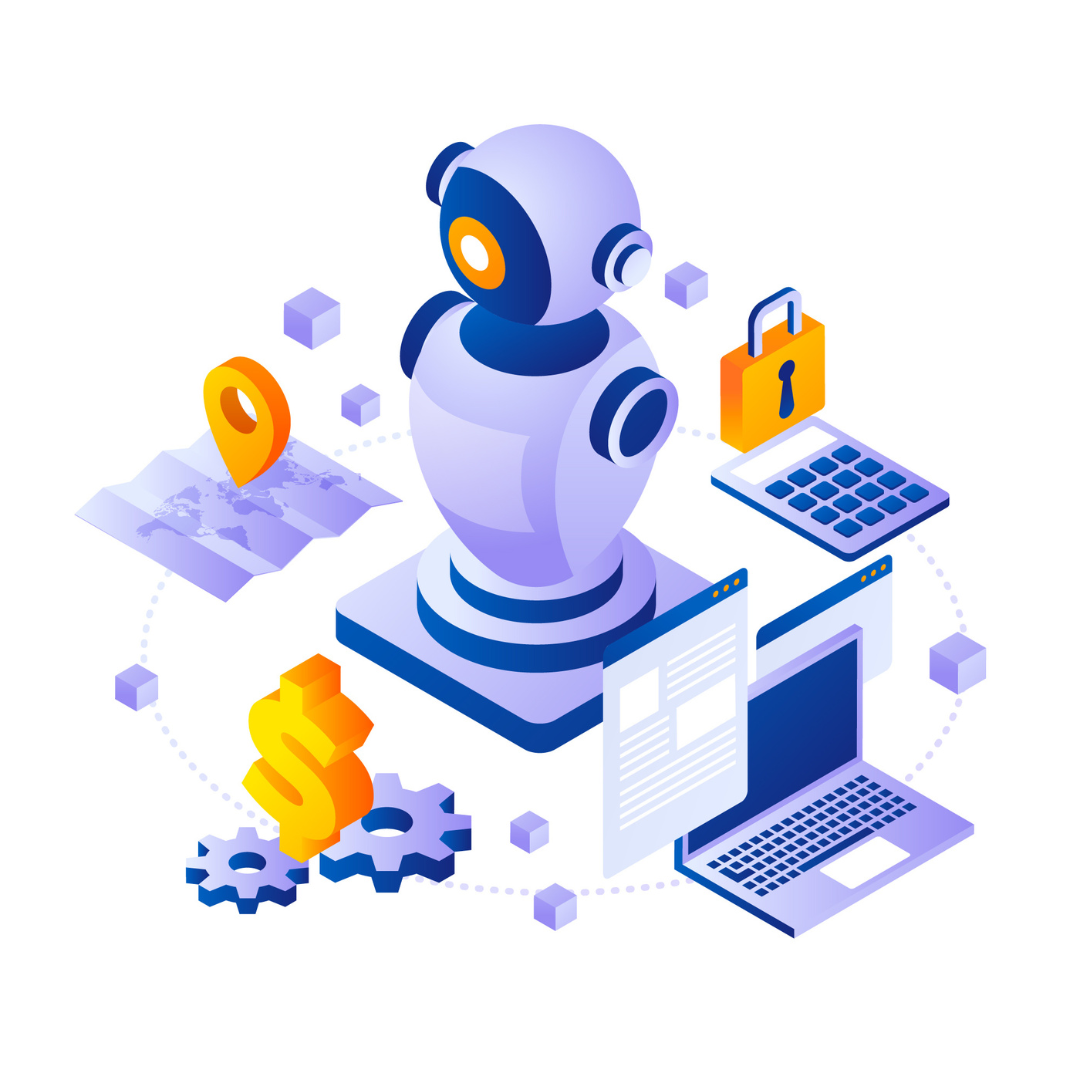
What Is AI-First Salesforce Delivery?
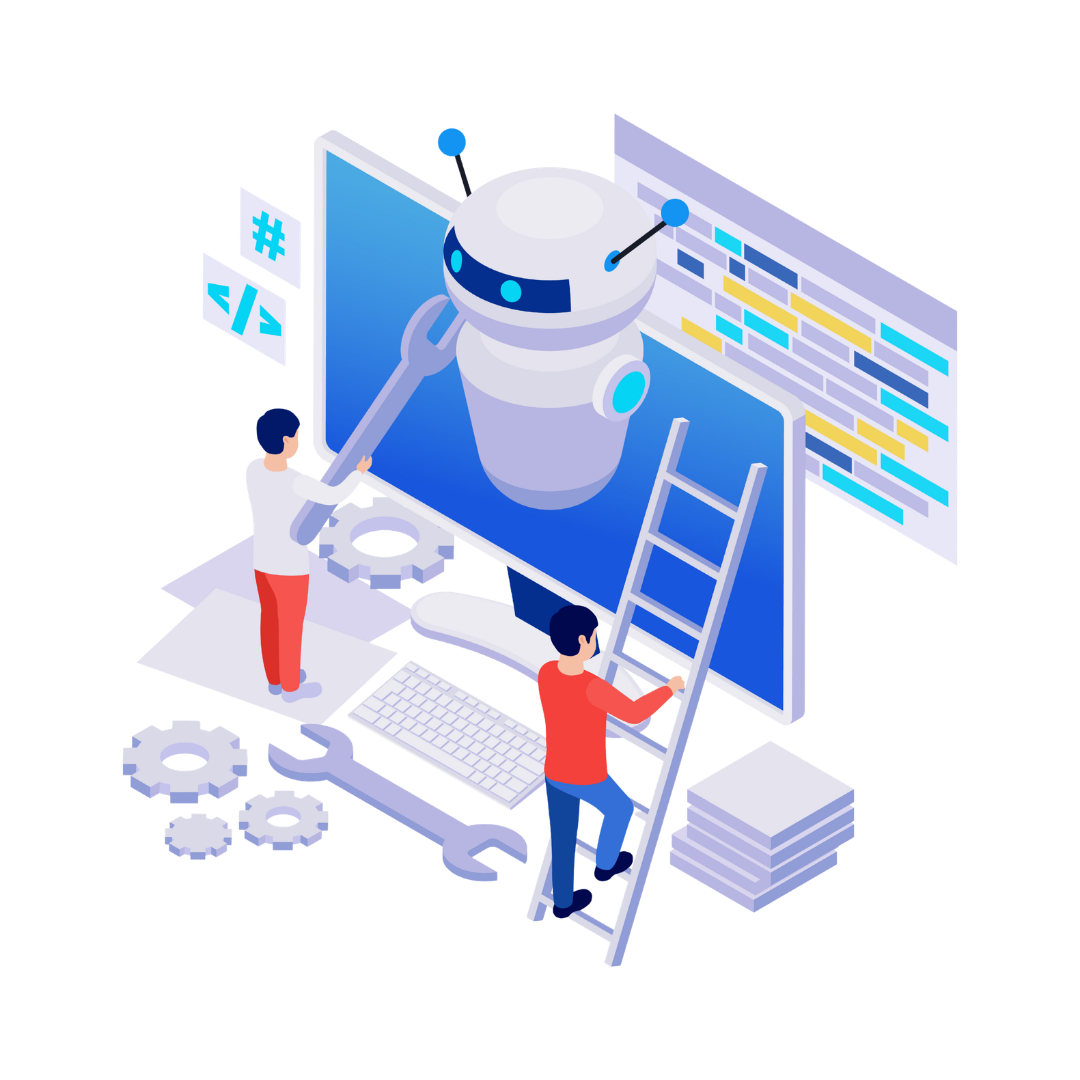
AI-first Salesforce delivery combines AI coding tools with human review, testing, and governance to improve delivery speed and consistency across Salesforce projects.
At TheCloudPartner, that means tools such as Claude Code, OpenAI Codex, and Cursor are used directly inside the development environment to support activities like Apex scaffolding, Lightning Web Component development, refactoring, testing, documentation, and well-scoped automation work. Every AI-assisted change still goes through human review, automated validation, and delivery controls before release.
In practical terms, AI-first delivery is not about generating more code. It is about helping experienced consultants spend more time on architecture, business logic, integrations, risk management, and measurable outcomes.
AI-First vs AI-Enabled Consulting: What Is the Difference?
Many consulting firms are now AI-enabled, meaning they use AI tools occasionally to support individual tasks. That is increasingly common and no longer a meaningful differentiator.
An AI-first consulting model goes further. It embeds repository-aware, agentic development tools into the delivery process itself and supports them with shared playbooks, security controls, review standards, and organization-wide training. The result is not just faster individual output. The goal is faster, more reliable client delivery.
That difference matters because productivity gains from AI do not automatically translate into better business outcomes. Speed only creates value when the surrounding workflow – review, testing, deployment, documentation, and governance – keeps pace.
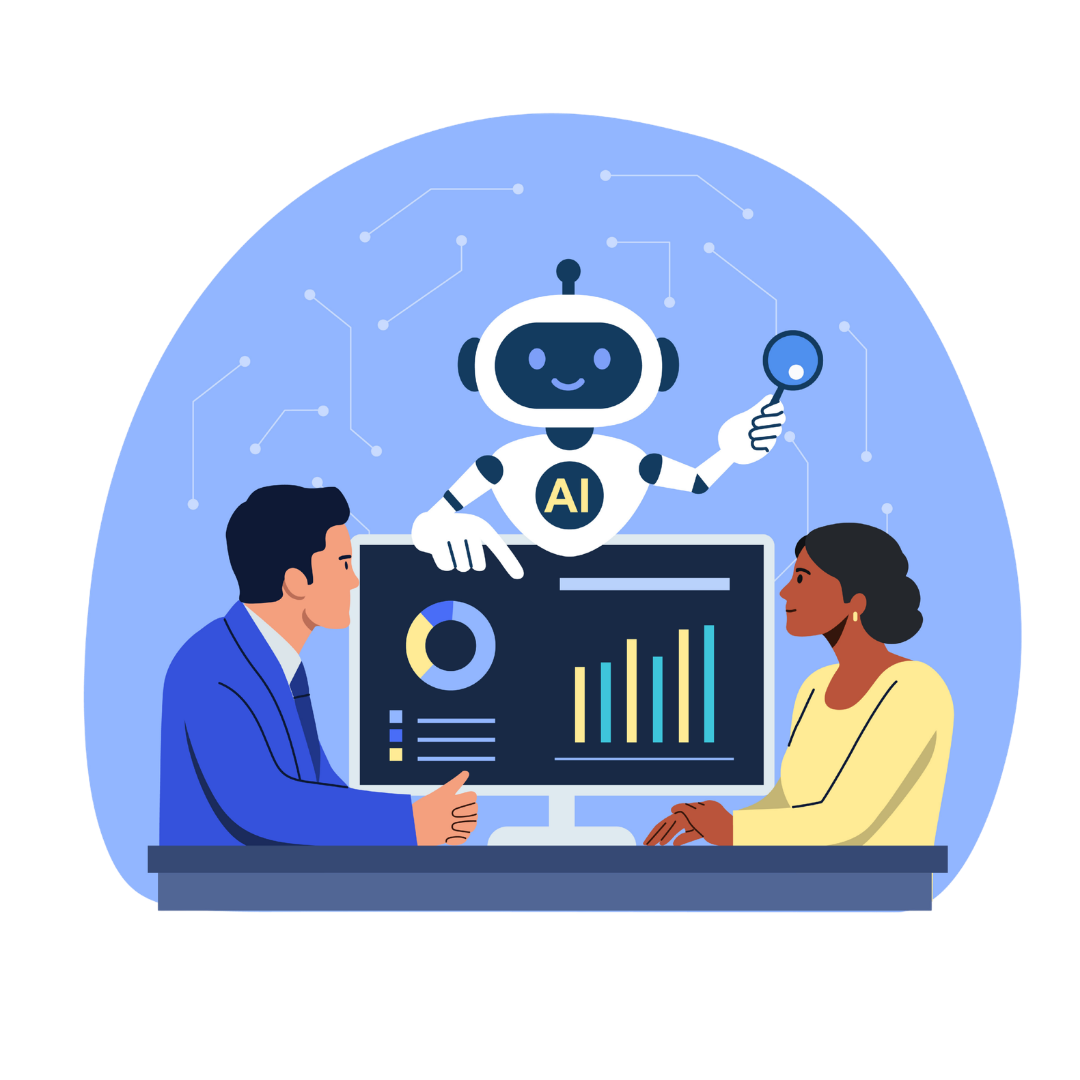
AI-First Salesforce Delivery: How TheCloudPartner Builds Faster
AI-first Salesforce delivery means using AI development tools inside a governed consulting model to build, test, document, and improve Salesforce solutions faster without lowering quality. At TheCloudPartner, this approach is already helping accelerate eligible development work across Salesforce, Revenue Cloud, and quote-to-cash programs, with early pilot engagements showing roughly 60% efficiency gains on eligible tasks.
This delivery model is especially relevant for teams investing in Sales Cloud, Service Cloud, Revenue Cloud, CPQ, RevOps, and quote-to-cash automation who want faster execution without taking unnecessary risks on security, maintainability, or downstream integrations.
The difference is not simply that our consultants use AI. It is that we have redesigned delivery around it, with the right tools, team-wide training, review gates, testing standards, and governance controls built into the workflow from the start.
AI-First vs AI-Enabled Consulting: What Is the Difference?
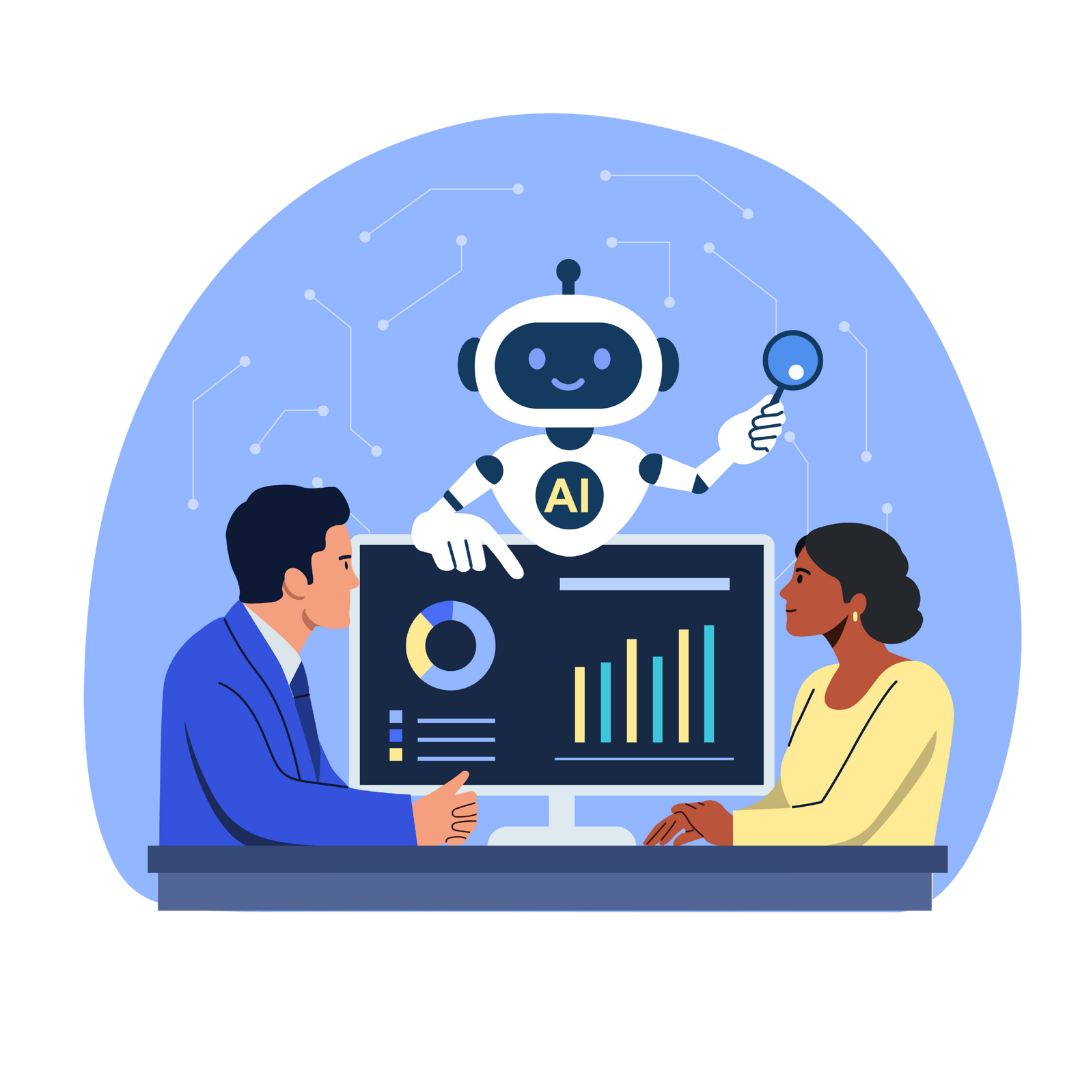
Many consulting firms are now AI-enabled, meaning they use AI tools occasionally to support individual tasks. That is increasingly common and no longer a meaningful differentiator.
An AI-first consulting model goes further. It embeds repository-aware, agentic development tools into the delivery process itself and supports them with shared playbooks, security controls, review standards, and organization-wide training. The result is not just faster individual output. The goal is faster, more reliable client delivery.
That difference matters because productivity gains from AI do not automatically translate into better business outcomes. Speed only creates value when the surrounding workflow – review, testing, deployment, documentation, and governance – keeps pace.
What AI-First Means at TheCloudPartner
Our model rests on three connected commitments.
Agentic coding inside the delivery workflow
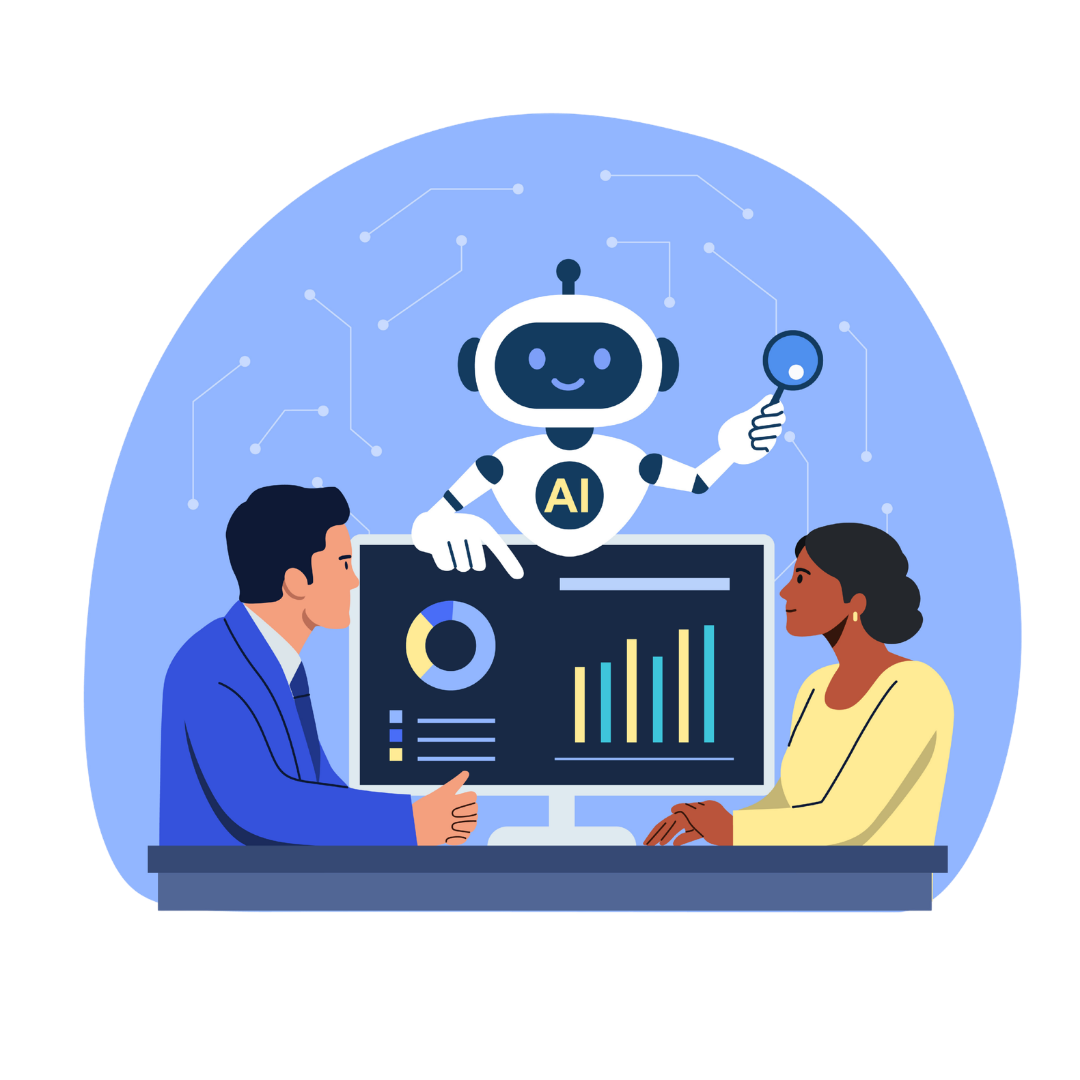
We use Claude Code, Codex, and Cursor inside the environments where our teams already build Salesforce solutions. These tools work with codebase context, which makes them useful for scaffolding, multi-file updates, test generation, refactoring, and technical documentation rather than just isolated snippets.
For Salesforce and RevOps work, this can include:
-
- Apex classes and test classes
- Lightning Web Components
- Flow logic and supporting documentation
- Revenue Cloud and quote-to-cash build acceleration
- Well-scoped automation and integration support tasks
Team-wide enablement, not isolated power users
One of the biggest reasons AI adoption underperforms is uneven capability across the team. A few people get very good results, while everyone else uses the tools inconsistently.
We are training our consulting organization to a shared standard across:
- prompting patterns
- review discipline
- safe usage guidelines
- tool selection by task type
- documentation and maintainability expectations
- when not to use AI
That includes internal playbooks, versioned prompt libraries, and designated AI champions who help keep delivery standards consistent across engagements.

Quality and security gates around every AI-assisted change
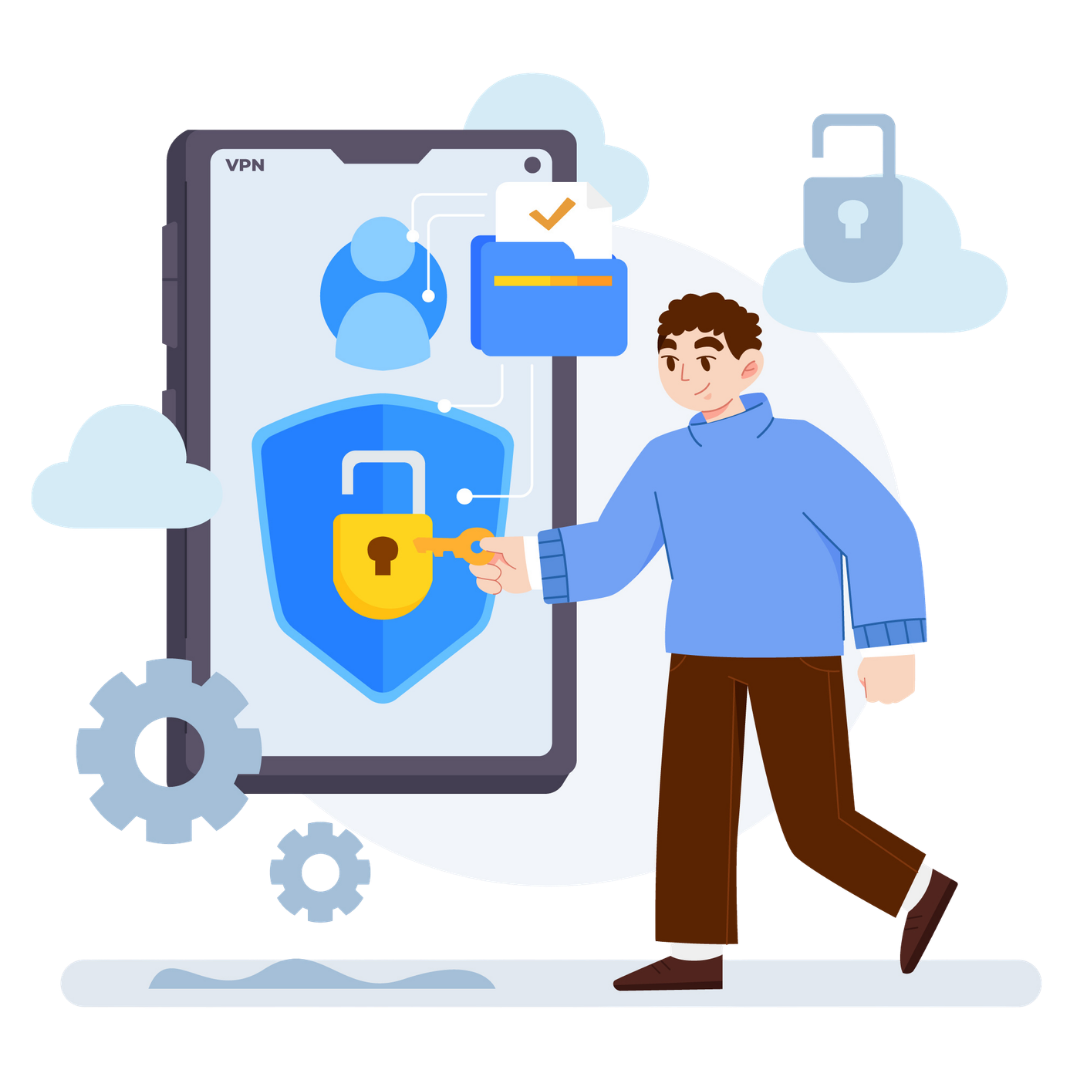
AI-generated output is a draft, not a finished product. Every contribution still has to pass the same standards our clients expect from any delivery partner.
That means AI-assisted work is still subject to:
- human review
- automated testing
- CI/CD validation
- security scanning
- governance controls for client data and access
For sensitive areas such as data models, permissions, pricing logic, revenue workflows, billing flows, and downstream integrations, human oversight remains especially important.
Our AI-First Salesforce Delivery Stack
There is no single best AI tool for every consulting task. We use different tools for different kinds of work.
- Claude Code is our default choice for repository-aware, agentic tasks such as multi-file refactors, Apex and LWC scaffolding, test generation, and documentation where broader codebase understanding matters.
- OpenAI Codex is useful for rapid code generation, scripting, and other well-scoped implementation tasks that benefit from speed and clear boundaries.
- Cursor supports in-context pair programming, inline edits, and fast iteration while a developer stays close to the code.
What is harder to replicate than the tool list is the delivery framework around it: when to use AI, when not to use it, how output is reviewed, and how each change ties back to a client outcome.
Our AI-First Salesforce Delivery Stack
There is no single best AI tool for every consulting task. We use different tools for different kinds of work.
- Claude Code is our default choice for repository-aware, agentic tasks such as multi-file refactors, Apex and LWC scaffolding, test generation, and documentation where broader codebase understanding matters.
- OpenAI Codex is useful for rapid code generation, scripting, and other well-scoped implementation tasks that benefit from speed and clear boundaries.
- Cursor supports in-context pair programming, inline edits, and fast iteration while a developer stays close to the code.
What is harder to replicate than the tool list is the delivery framework around it: when to use AI, when not to use it, how output is reviewed, and how each change ties back to a client outcome.
How AI Improves Salesforce Delivery Speed
AI can improve Salesforce delivery speed by reducing the time spent on repetitive, well-scoped development work.
At TheCloudPartner, the clearest gains so far have appeared in areas such as:
- scaffolding routine components
- refactoring existing code
- generating and improving test coverage
- accelerating documentation
- speeding up first drafts for structured implementation tasks
Across early pilot engagements, we are measuring roughly 60% efficiency gains on eligible development tasks compared with pre-AI internal baselines.

That figure needs to be interpreted carefully. It is an early internal benchmark based on eligible task categories, not a claim that every project phase becomes 60% faster, and not a universal guarantee across all codebases, teams, or work types.
Efficiency was measured against pre-AI internal baselines across eligible delivery activities in pilot engagements. Results vary by scope, codebase complexity, integration depth, security requirements, and governance needs.
Why Speed Still Needs Governance

The biggest risk in AI-assisted development is not obviously broken code. It is plausible-looking output that appears correct but fails under real business conditions.
That matters even more in Salesforce, Revenue Cloud, and quote-to-cash environments, where small logic errors can affect pricing, billing, forecasting, approvals, data access, and customer experience.
Our approach is structural rather than optimistic:
- Human review on every AI-assisted change, with senior oversight on sensitive business logic and architecture.
- Automated testing and CI/CD, so validation keeps pace with generation.
- Security and governance controls, including clear boundaries around what AI tools may and may not access.
- Documentation and versioned prompts, so decisions remain maintainable and auditable after go-live.
The point of going AI-first is not to ship more code. It is to give experienced consultants more time for the work AI cannot own: architecture, judgment, resilience, risk, and outcomes.
Benefits of AI-First Salesforce Delivery for RevOps Teams
For revenue and operations leaders, an AI-first delivery model creates practical advantages when implemented with the right controls.
- Faster time-to-value by accelerating routine build work and reducing delivery friction across Salesforce roadmaps.
- More iterations within the same budget because time saved on repetitive implementation work can be reinvested in refinement, testing, and process design.
- Stronger documentation so system knowledge is not trapped in one consultant’s head.
- More strategic consultant attention on architecture, KPI design, integrations, and business process quality.
- Better support for quote-to-cash transformation across Salesforce, Revenue Cloud, HubSpot, Zuora, and related RevOps systems.

This is particularly valuable for organizations focused on improving forecast accuracy, reducing revenue leakage, accelerating quote approvals, increasing operational consistency, and supporting growth without multiplying manual work.
Why Speed Still Needs Governance
-
The biggest risk in AI-assisted development is not obviously broken code. It is plausible-looking output that appears correct but fails under real business conditions.
That matters even more in Salesforce, Revenue Cloud, and quote-to-cash environments, where small logic errors can affect pricing, billing, forecasting, approvals, data access, and customer experience.
Our approach is structural rather than optimistic:
- Human review on every AI-assisted change, with senior oversight on sensitive business logic and architecture.
- Automated testing and CI/CD, so validation keeps pace with generation.
- Security and governance controls, including clear boundaries around what AI tools may and may not access.
- Documentation and versioned prompts, so decisions remain maintainable and auditable after go-live.
The point of going AI-first is not to ship more code. It is to give experienced consultants more time for the work AI cannot own: architecture, judgment, resilience, risk, and outcomes.
Why Human Expertise Still Matters in AI-First Consulting

AI can accelerate delivery, but it does not replace accountability.
Experienced consultants are still needed to make the decisions that matter most:
- Context selection: deciding which tasks are good candidates for AI acceleration and which are not.
- Architecture: designing solutions that will hold up under real operational complexity.
- Data stewardship: protecting data quality, normalization, permissions, and access boundaries.
- Risk management: applying the right controls for compliance, contractual obligations, and business-critical workflows.
- Integration resilience: ensuring downstream systems such as billing, ERP, and CPQ continue to work safely under edge cases.
- Outcome ownership: defining success metrics, monitoring results, and improving the system over time.
AI changes how consulting work gets done. It does not eliminate the need for expert judgment.
How We Train the Entire Team
Being AI-first is an organizational capability, not an individual skill badge.
Our enablement model brings consultants to a shared working standard through:
- hands-on training in Claude Code, Codex, and Cursor
- shared prompting and review playbooks
- versioned prompt and delivery pattern libraries
- AI champions who help the team stay current on workflows and guardrails
- practical guidance on when not to use AI
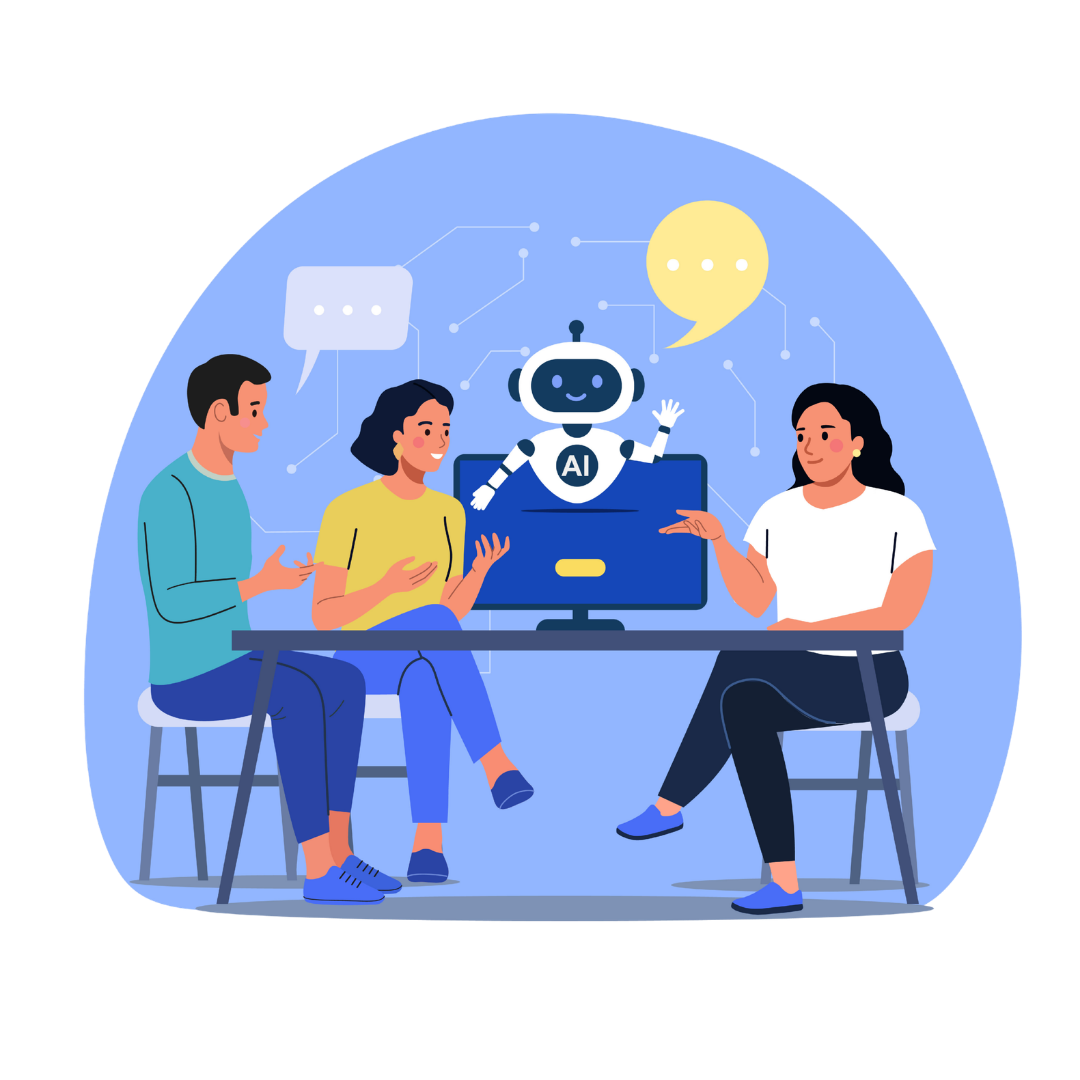
The goal is consistency across engagements, so clients get the same quality bar regardless of who is staffed on the project.
What This Means for Salesforce, Revenue Cloud, and Quote-to-Cash Programs
For teams investing in CRM and revenue operations transformation, AI-first delivery can help shorten the path from roadmap to working system.
It is especially relevant for organizations looking for support with:
- Salesforce implementation services
- Revenue Cloud and quote-to-cash transformation
- RevOps consulting
- managed Salesforce services
- CPQ modernization or migration
- HubSpot, Zuora, and downstream revenue system integration
When paired with proper controls, AI-first delivery can help teams move faster while maintaining the rigor needed for business-critical systems.
What This Means for Salesforce, Revenue Cloud, and Quote-to-Cash Programs
For teams investing in CRM and revenue operations transformation, AI-first delivery can help shorten the path from roadmap to working system.
It is especially relevant for organizations looking for support with:
- Salesforce implementation services
- Revenue Cloud and quote-to-cash transformation
- RevOps consulting
- managed Salesforce services
- CPQ modernization or migration
- HubSpot, Zuora, and downstream revenue system integration
When paired with proper controls, AI-first delivery can help teams move faster while maintaining the rigor needed for business-critical systems.
Why Human Expertise Still Matters in AI-First Consulting
AI can accelerate delivery, but it does not replace accountability.
Experienced consultants are still needed to make the decisions that matter most:
-
- Context selection: deciding which tasks are good candidates for AI acceleration and which are not.
- Architecture: designing solutions that will hold up under real operational complexity.
- Data stewardship: protecting data quality, normalization, permissions, and access boundaries.
- Risk management: applying the right controls for compliance, contractual obligations, and business-critical workflows.
- Integration resilience: ensuring downstream systems such as billing, ERP, and CPQ continue to work safely under edge cases.
- Outcome ownership: defining success metrics, monitoring results, and improving the system over time.
AI changes how consulting work gets done. It does not eliminate the need for expert judgment.
Frequently Asked Questions
What does AI-first Salesforce delivery mean?
It means AI development tools are integrated directly into the way Salesforce work is delivered, not used only occasionally. At TheCloudPartner, AI is part of how we scope, build, test, and document solutions, supported by human review, security controls, and delivery governance.
Which AI tools does TheCloudPartner use?
We use Claude Code, OpenAI Codex, and Cursor because they are strong at different types of work. Claude Code supports repository-aware implementation tasks, Codex helps accelerate well-scoped development work, and Cursor supports in-context pair programming and iteration.
Is the 60% efficiency gain guaranteed?
No. It is an early internal benchmark measured on eligible development tasks in pilot engagements against pre-AI internal baselines. Results vary depending on project scope, codebase complexity, governance requirements, and the type of work being performed.
Does AI-assisted Salesforce delivery create security risks?
It can if it is used without the right controls. Our model applies human review, automated testing, security scanning, access controls, and clear policies on what AI tools may and may not access in a client environment.
Will AI replace the consultant on a Salesforce project?
No. AI can accelerate routine delivery work, but consultants are still responsible for architecture, risk management, integrations, business context, and accountability for outcomes.
See what AI-first Salesforce delivery could do for your program.
Book a 30-minute discovery call to map your goals, risks, and KPI baselines. Get a preliminary view of your Salesforce, RevOps, and AI readiness, along with a lightweight 60-90 day plan covering quick wins, safeguards, and ROI targets.